

Key Takeaways
- Repositioning cruises move ships between seasonal home ports and are sold as one-way voyages.
- Fares tend to be lower per night than round-trip sailings on the same ship, partly because demand is thinner.
- Itineraries often include multiple consecutive sea days, which suits passengers who enjoy shipboard life over port-heavy schedules.
- You must arrange one-way flights, which can offset some of the fare savings depending on the route.
- Cabin categories and onboard amenities are identical to regular sailings on the same vessel.
- Repositioning cruises work well for retirees, remote workers, and travelers with flexible schedules who can handle a longer voyage.
Repositioning cruise
A repositioning cruise is a one-way sailing that moves a cruise ship from one home port to another, typically at the start or end of a seasonal deployment. Because the ship has to physically travel between regions, passengers can book those transit voyages at fares that are generally lower than comparable round-trip itineraries. The trade-off is that you fly home from the destination port rather than returning to where you started.
Repositioning sailings are sometimes called 'transatlantic' or 'transpacific' crossings when they span major ocean basins, though shorter repositioning runs exist within a single region.
How repositioning cruises work
Cruise lines deploy ships seasonally. A ship that spends summer in the Mediterranean returns to the Caribbean in the fall; one based in Alaska for summer moves to Hawaii or the South Pacific for winter. Rather than sail empty during those transits, lines sell cabins on the crossing itself. That transit voyage is the repositioning cruise.
The itinerary is point-to-point. You board in one city and disembark in another, sometimes on a different continent. Port stops along the route vary widely. A transatlantic run from Fort Lauderdale to Barcelona might call at the Azores and Lisbon before the final port. A Pacific crossing from Los Angeles to Sydney could stop in Hawaii and Samoa. Some repositioning sailings stop frequently; others cover large stretches of open water with few or no ports at all.
Because the sailing is one-way, passengers handle their own travel home. That asymmetry in logistics is the main reason fares are lower. The cruise line needs bodies in those cabins regardless, and travelers willing to manage one-way flights get the benefit. Always calculate the full trip cost, airfare included, before concluding that a repositioning sailing saves money over a round-trip alternative.
The sea-day experience
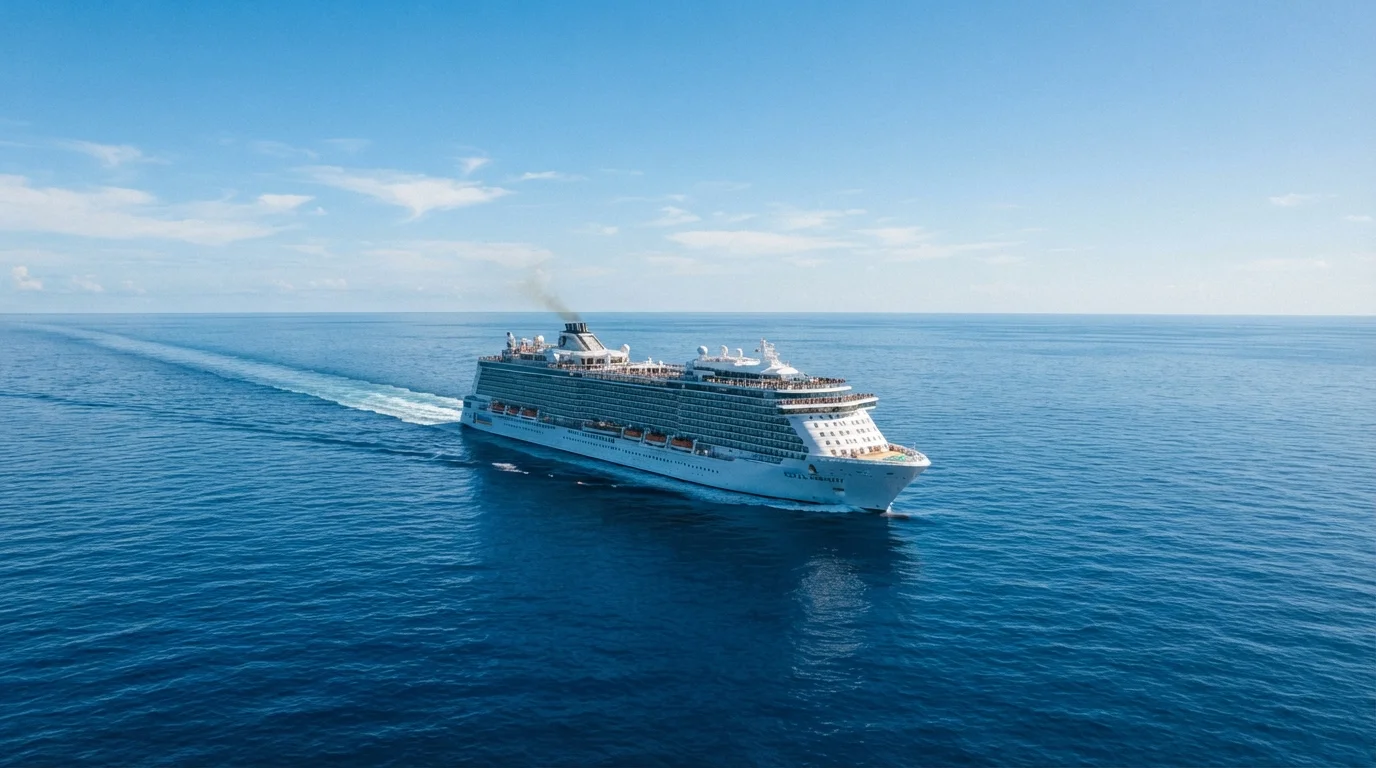
The defining feature of most repositioning sailings is consecutive days at sea. On a standard Caribbean itinerary, the ship docks almost every morning. On a transatlantic crossing, passengers may spend a full week without seeing land. That pace divides travelers sharply.
Passengers who enjoy sea days use them for onboard classes, lectures, spa time, reading, or simply watching the ocean. Many cruise lines program extra enrichment content on repositioning voyages precisely because the clientele tends to want it: language lessons, behind-the-scenes ship tours, naturalist talks. A common misconception about cruising is that sea days are wasted days. For the right traveler, they are the point.
Travelers who measure a good trip by the number of ports visited will find repositioning sailings frustrating. If shore time drives your vacation satisfaction, a port-intensive itinerary is a better fit. See how to plan your time ashore for guidance once you are in port on sailings that do include stops.
Make the most of sea days
Check the daily program the night before each sea day. Most ships post enrichment schedules, fitness classes, and special events by category. Picking two or three anchor activities per day gives structure without over-scheduling, and leaves room for the spontaneous conversations and quiet time that sea-day regulars often cite as the best part of a crossing.
Who gets the most out of repositioning sailings
Retirees with flexible schedules make up a large share of repositioning passengers, and the format fits their priorities well. A two-week crossing costs less per night than many resort stays, includes all meals, and arrives somewhere new without the overhead of packing and unpacking across multiple hotels.
Remote workers with location independence are another group that books repositioning cruises regularly. Modern ships have satellite internet, though speeds and reliability vary and are not comparable to a home connection. Anyone whose work depends on fast, stable connectivity should verify the ship's current internet package before committing.
Travelers with mobility considerations can do well on repositioning sailings because the ship itself becomes the destination for most of the voyage. That said, the port stops that do exist on repositioning itineraries vary considerably in accessibility. Review what cruisers with mobility needs should know before booking.
Families with young children are generally not the primary audience. Long sea-day stretches can be hard to manage with small kids, and the programming on repositioning voyages is often geared toward adults. Cruising with children works well on many itineraries, but a transatlantic crossing is rarely the place to start.
Practical booking considerations
Repositioning sailings appear on cruise line websites as standard bookings. The fare structure is the same as any sailing: cabin category, inclusions, and add-ons all work identically. Because demand is lower, last-minute availability sometimes appears, though waiting for it is a gamble on cabin selection and airfare prices.
The one-way flight is the logistical puzzle. Transatlantic fares from Europe back to the US, or transpacific fares from Australia to the US, can be substantial. Building that cost into your comparison from the start prevents surprises. Booking the return flight early, especially for peak travel seasons, keeps costs more predictable.
Packing for a repositioning voyage often means crossing climate zones. A sailing that starts in a Northern European autumn and ends in a tropical Caribbean port requires clothing for both. Check the expected weather at each port stop and for open-ocean conditions on the crossing days.
For a broader sense of what awaits at either end of a repositioning voyage, an overview of major cruise regions covers the distinct character of each destination area.