

Key Takeaways
- Native plants are species that occur naturally in a specific region without human introduction.
- Once established, many natives need less water and fertilizer than non-native ornamentals.
- The transition period can be slow and requires matching plants to your specific soil and light conditions.
- Native plantings often support local pollinators, birds, and beneficial insects more directly than exotic species.
- What counts as 'native' depends on your ecoregion, not just your state, so sourcing matters.
Lower water needs after establishment
Native plants are adapted to local rainfall patterns and typically do not need irrigation once their root systems are established, which can take one to three growing seasons depending on the species and conditions.
Reduced need for fertilizers and pesticides
Plants evolved for local soils generally do not need supplemental feeding. Their natural pest resistance, built through coevolution with local insects, also reduces reliance on chemical controls.
Supports local pollinators and wildlife
Native plants provide food sources, nesting materials, and habitat that many native bee species, butterflies, and birds depend on, particularly specialist species that cannot use non-native alternatives.
Adapted to local soil and climate conditions
Rather than fighting your site's natural drainage, pH, or temperature swings, native species are already suited to those conditions, which reduces ongoing corrective maintenance.
Can reduce stormwater runoff
Many native plants, especially deep-rooted prairie species and woodland shrubs, improve soil structure and water infiltration, which can lessen erosion and runoff on sloped or compacted sites.
Slow establishment period requires patience
Many native perennials invest heavily in root growth before producing visible top growth. Gardeners sometimes mistake this as plant failure during the first season or two.
Nativity is hyper-local, making sourcing difficult
Plants labeled 'native' at a general nursery may not be native to your specific ecoregion, and cultivars bred for showier flowers can have reduced ecological value compared to straight species.
Some natives spread aggressively
Species like aggressive goldenrod cultivars or certain native mints can spread by runners or seed and may require containment strategies in a managed garden setting.
Appearance may not match conventional garden expectations
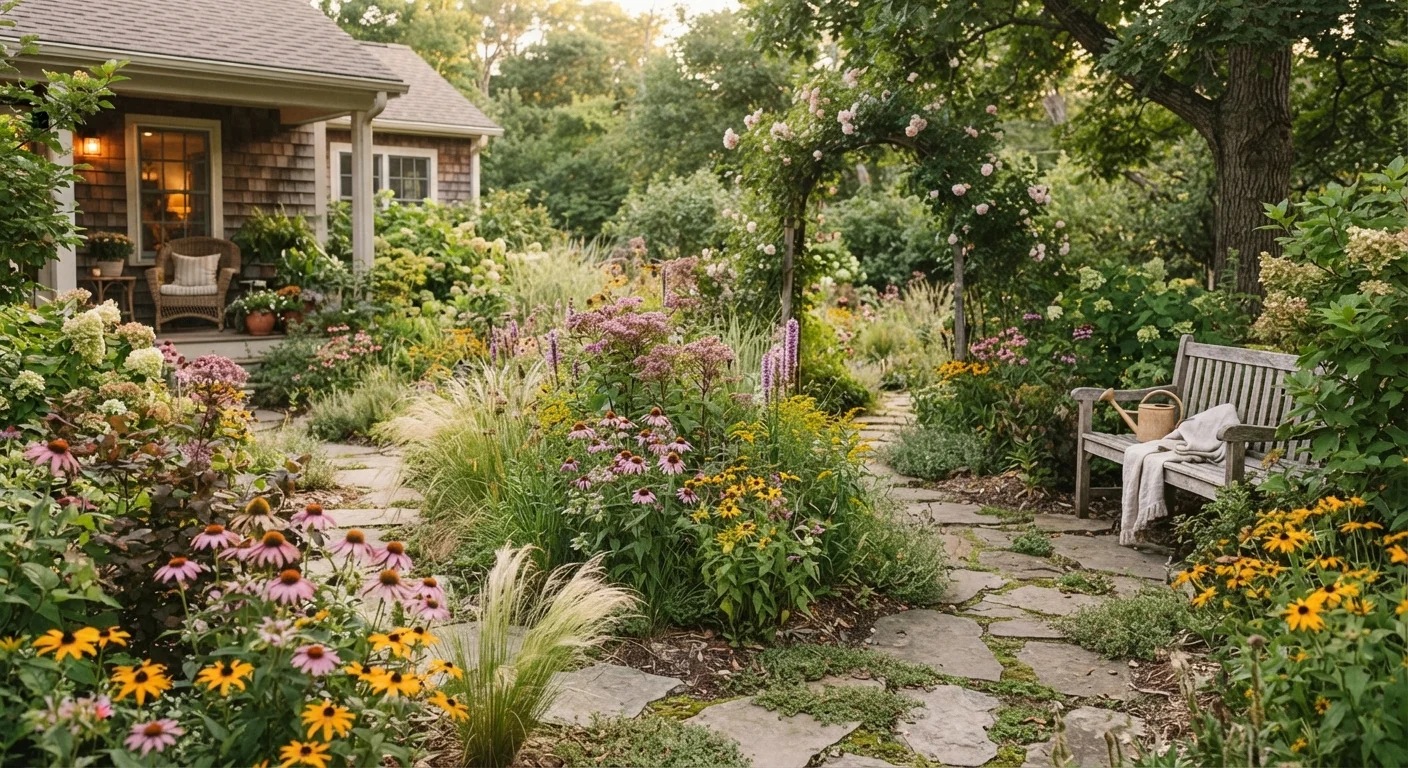
Native plantings, especially meadow-style designs, can look informal or unkempt by neighborhood standards. Some HOA rules or municipal ordinances restrict naturalistic garden styles.
Upfront research investment is significant
Identifying the right species for your ecoregion, soil type, sun exposure, and moisture conditions requires more legwork than simply choosing ornamentals by appearance at a garden center.
Our Verdict
Native plants are a practical choice for gardeners who want to reduce ongoing maintenance, support local ecology, and work with their site's natural conditions rather than against them. The transition takes patience and some upfront research, and not every corner of a yard will suit a native-only approach.
Gardeners willing to invest time in selecting regionally appropriate species and can accept a slower establishment period in exchange for lower long-term inputs.
What 'native plant' actually means
A native plant is one that grew in a particular region before European settlement, establishing itself through natural processes rather than human introduction. The definition is more specific than many gardeners expect: a plant native to the eastern United States is not automatically native to your county or watershed. Botanists and ecologists typically use ecoregions, geographic areas defined by shared climate, soils, and plant communities, to determine nativity. A coneflower native to tallgrass prairie ecoregions may perform poorly or behave invasively in a coastal plain garden.
This specificity matters because the ecological benefits of native plants, feeding specialist pollinators and supporting native bird populations, depend on those local evolutionary relationships. A plant from 500 miles away may look similar but may not support the same insects. Your local cooperative extension office or a regional native plant society can help you identify which species are genuinely local to your area.
Advantages of planting natives
Lower water needs after establishment
Native plants are adapted to local rainfall patterns and typically do not need irrigation once their root systems are established, which can take one to three growing seasons depending on the species and conditions.
Reduced need for fertilizers and pesticides
Plants evolved for local soils generally do not need supplemental feeding. Their natural pest resistance, built through coevolution with local insects, also reduces reliance on chemical controls.
Supports local pollinators and wildlife
Native plants provide food sources, nesting materials, and habitat that many native bee species, butterflies, and birds depend on, particularly specialist species that cannot use non-native alternatives.
Adapted to local soil and climate conditions
Rather than fighting your site's natural drainage, pH, or temperature swings, native species are already suited to those conditions, which reduces ongoing corrective maintenance.
Can reduce stormwater runoff
Many native plants, especially deep-rooted prairie species and woodland shrubs, improve soil structure and water infiltration, which can lessen erosion and runoff on sloped or compacted sites.
One benefit worth expanding on is the relationship between native plants and local wildlife. Many native bee species are specialists: they can only collect pollen from specific plant genera. Removing those plants from the landscape, even in small suburban yards, can affect local populations. Adding even a modest native border can make a measurable difference. For more on working with beneficial insects in the garden, see our guide on natural pest control methods.
Drawbacks and trade-offs to consider
Slow establishment period requires patience
Many native perennials invest heavily in root growth before producing visible top growth. Gardeners sometimes mistake this as plant failure during the first season or two.
Nativity is hyper-local, making sourcing difficult
Plants labeled 'native' at a general nursery may not be native to your specific ecoregion, and cultivars bred for showier flowers can have reduced ecological value compared to straight species.
Some natives spread aggressively
Species like aggressive goldenrod cultivars or certain native mints can spread by runners or seed and may require containment strategies in a managed garden setting.
Appearance may not match conventional garden expectations
Native plantings, especially meadow-style designs, can look informal or unkempt by neighborhood standards. Some HOA rules or municipal ordinances restrict naturalistic garden styles.
Upfront research investment is significant
Identifying the right species for your ecoregion, soil type, sun exposure, and moisture conditions requires more legwork than simply choosing ornamentals by appearance at a garden center.
One trade-off that surprises many new native gardeners is aesthetics during the establishment phase. Native perennials, especially those with deep root systems like prairie species, put most of their energy into root development in the first year or two. The above-ground growth can look sparse or weedy until the plant matures. Setting realistic expectations before you plant avoids frustration. Our article on common gardening myths covers several related misconceptions about how quickly plants should perform.
How to get started without overhauling your yard
A full yard conversion is not necessary to see results. Starting with one dedicated bed, a rain garden area, or a strip along a fence reduces the research load and gives you a test area to observe before expanding. Choose a spot where your existing plants already struggle; those conditions may suit natives well.
When sourcing plants, look for stock grown from local seed rather than plants collected from the wild. Wild collection can harm natural plant communities and may be illegal depending on the species and location. Nurseries that specialize in native plants will usually label provenance. If you have shaded areas, our shade gardening guide covers which native species do well in low-light conditions.
After planting, the first growing season typically needs supplemental watering until roots reach the depth needed to access soil moisture independently. Mulching with shredded leaves, rather than dyed wood chips, more closely mimics the natural leaf litter these plants evolved with and supports soil organisms. Once established, most natives need little intervention beyond cutting back dead stems in fall or early spring. For timing that work, see our fall garden prep checklist.
Check local ordinances before planting
Some municipalities have ordinances that restrict the height of plants in front yards or require 'maintained' appearances for garden areas. Before establishing a meadow-style planting visible from the street, check your local zoning rules or HOA guidelines. In many areas, a simple sign explaining the native garden purpose satisfies neighbor concerns and can help with ordinance exemptions where they exist.