

Key Takeaways
- Discretionary spending covers wants: things you buy by choice, not necessity.
- It is distinct from fixed and variable essential expenses, which are harder to cut quickly.
- Most people underestimate how much discretionary spending accumulates month to month.
- Reviewing discretionary spending first does not mean eliminating it, only understanding it.
- A spending tracker can reveal patterns that a forward-looking budget alone will miss.
Discretionary spending
Discretionary spending is money spent on wants rather than needs. It covers purchases you choose to make but could reduce or skip without losing housing, utilities, food, or other essentials. Common examples include dining out, streaming subscriptions, clothing beyond basics, and entertainment. Because it is flexible by definition, it is usually the first category to examine when a budget is not balancing.
In personal finance, discretionary spending is the counterpart to non-discretionary (or essential) spending. The line between the two is not always perfectly clear and depends on individual circumstances.
What discretionary spending actually means
Every dollar you spend falls into one of two broad groups: money that covers necessities and money that covers everything else. Discretionary spending is that second group. Rent, utilities, groceries, insurance premiums, and minimum debt payments generally belong in the essentials column. The movie tickets, the restaurant dinner, the fourth streaming service, and the impulse clothing purchase belong in the discretionary column.
The distinction matters because the two groups behave differently when money gets tight. Essential expenses are largely fixed or hard to reduce quickly. Discretionary expenses, by contrast, can often be paused, reduced, or cut within the same billing cycle. That flexibility is why budget reviews almost always start here.
Understanding where discretionary spending fits also clarifies the relationship between wants and needs, which is less obvious than it sounds. A smartphone plan is probably a necessity in a working adult's life today. A premium data tier with unlimited international roaming is probably discretionary. The category is not about judging purchases; it is about identifying where real flexibility exists. For a fuller picture of how expenses behave across your budget, the guide to fixed vs. variable expenses covers the structural difference in depth.
Why discretionary spending is so easy to underestimate
Most people can name their rent, car payment, and utility bills from memory. Far fewer can accurately estimate what they spent on coffee, takeout, or online shopping last month. Discretionary purchases tend to be small, frequent, and scattered across payment methods, which makes them easy to overlook individually and easy to underestimate in total.
Subscriptions are a specific version of this problem. A $10 streaming service, a $15 music app, and a $12 fitness app each feel minor. Together they add $37 a month, or $444 a year, to a budget before a single discretionary purchase is made. The monthly spending audit checklist is a practical way to surface these recurring charges and review them systematically.
$444+
Annual cost of three modest subscriptions
Three services at $10 to $15 per month each add up to more than $400 per year before any other discretionary spending.
30%
Wants allocation in 50/30/20 framework
The 50/30/20 budgeting guideline suggests roughly 30 percent of after-tax income for discretionary wants, though individual circumstances vary.
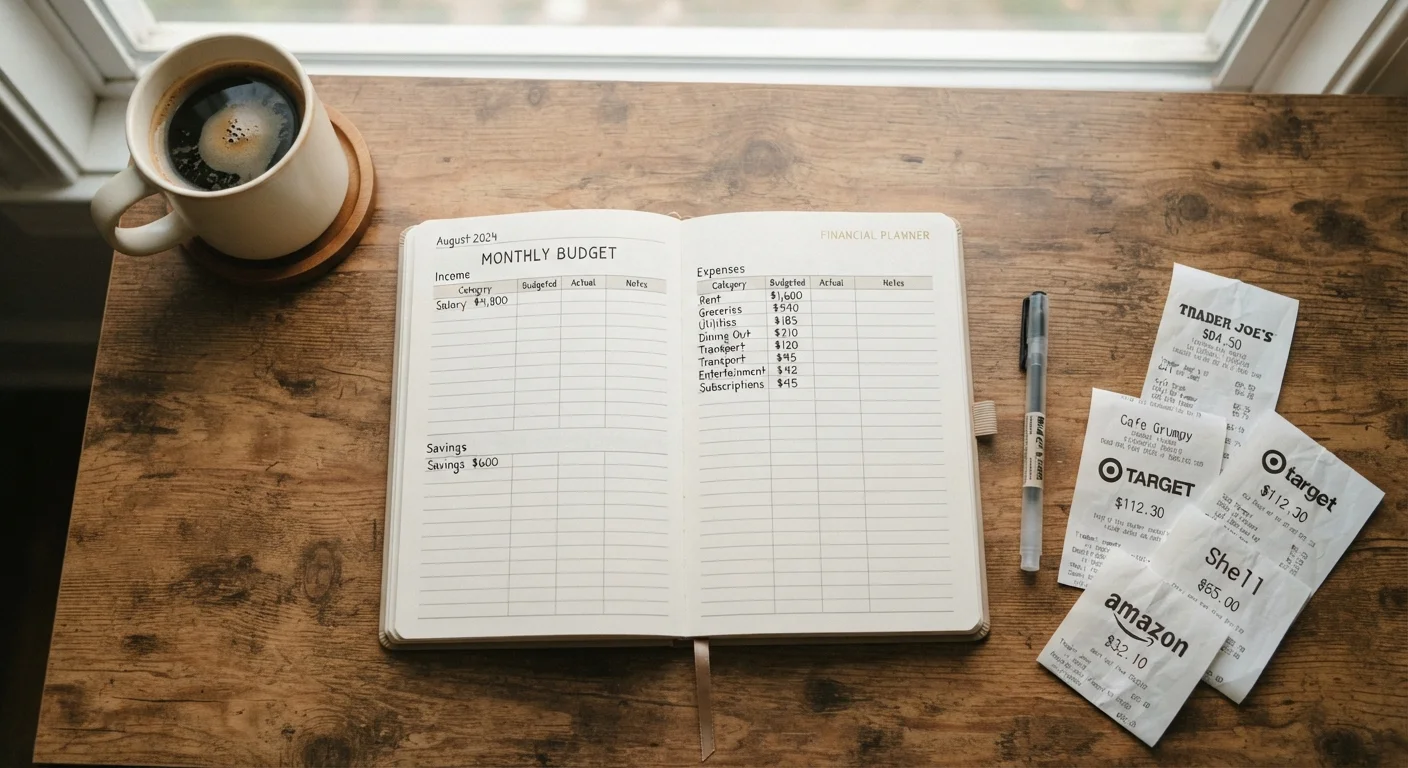
This is also where the difference between planning and tracking becomes concrete. A budget sets intentions for the month ahead. A spending tracker records what actually happened. Without tracking, discretionary spending can drift well above its intended level without any obvious moment where a line was crossed. The difference between a budget and a spending tracker explains how to use both tools at the right time.
How to review your discretionary spending
A useful review starts with data, not estimates. Pull at least two to three months of bank and credit card statements. Separate each transaction into two buckets: essential and discretionary. Do not rely on memory or approximation; the statements exist precisely to remove guesswork.
Once transactions are sorted, look for patterns rather than individual purchases. Are restaurant charges clustering around weeknights when cooking at home was the original plan? Are there subscriptions that haven't been used in months? Are gift and clothing purchases higher than expected because they were treated as one-time events but recurred regularly?
The goal at this stage is not to cut everything. It is to make the spending visible and intentional. Some discretionary spending you will keep without hesitation because it genuinely matters to you. Some you may decide to reduce because it accumulated by habit rather than choice. The envelope budgeting method is one structured approach to creating firm category limits once you know what you are working with.
Budget categories that get missed entirely are another common gap. Annual expenses, irregular costs, and infrequent purchases sometimes sit in a gray zone between discretionary and essential. The overlooked budget categories article covers which line items most people forget to plan for.
This article is for general informational purposes only and does not constitute personalized financial advice. For guidance tailored to your situation, consult a qualified financial professional.