

Key Takeaways
- New vehicles typically lose 15 to 25 percent of their value in the first year of ownership.
- Depreciation slows after the first few years but continues throughout the vehicle's life.
- Mileage, condition, color, and vehicle type all affect how quickly value drops.
- Keeping maintenance records can slow depreciation by documenting a car's service history.
- Understanding depreciation helps owners plan for trade-in timing and total ownership cost.
Car depreciation
Car depreciation is the reduction in a vehicle's market value over time. It happens to nearly every vehicle, regardless of condition, simply because age, mileage, and newer competing models erode what a buyer is willing to pay. Depreciation is not a fee you pay directly; it is an economic loss that shows up when you sell or trade in your vehicle.
Depreciation is often expressed as a percentage of original purchase price lost per year. For accounting or lease purposes, it may also be calculated using a defined residual value at the end of a set period.
Why depreciation matters for every car owner
Most drivers think about depreciation only when it is time to sell or trade in a vehicle. By then, the loss has already happened. Depreciation is the single largest cost of owning a car for many people, often exceeding what they spend on fuel or insurance over the same period.
Understanding how depreciation works helps you plan realistic ownership costs, time a trade-in more strategically, and make more informed choices about how you use and care for your vehicle. It also connects directly to financing: if you owe more on a loan than the car is currently worth, you are in a negative equity position, sometimes called being "underwater" on the loan. That situation can complicate selling or refinancing. For a broader view of managing these costs, see financial strategies for controlling car ownership costs.
How depreciation progresses over a vehicle's life
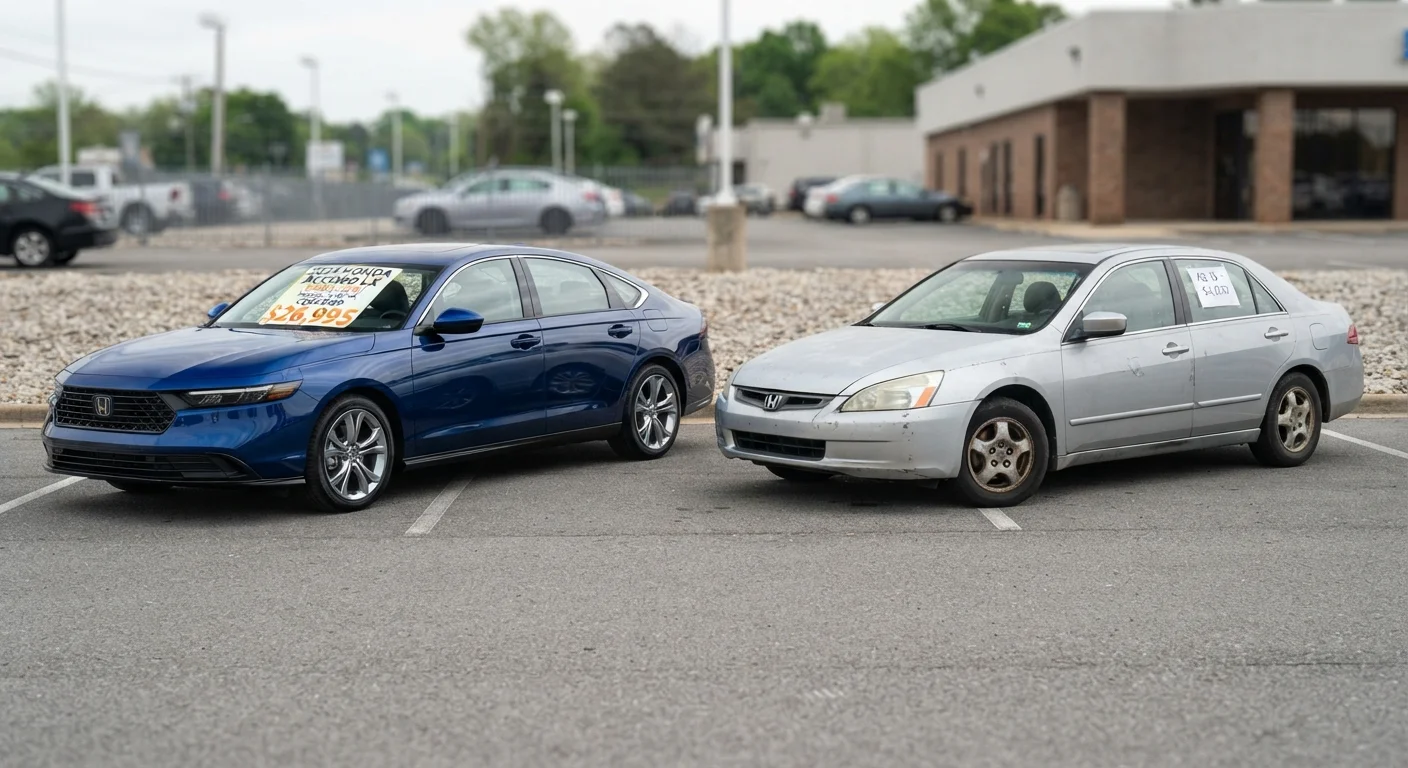
Depreciation is steepest in the first year. Industry data has consistently shown that new vehicles can lose between 15 and 25 percent of their value within the first 12 months. By the end of year five, many vehicles have lost 50 to 60 percent of their original purchase price.
After the initial drop, the rate slows. A five-year-old car that has already depreciated heavily does not lose the same dollar amount each subsequent year. This is why buying a vehicle that is two to three years old can offer a different cost profile than buying new: the steepest portion of depreciation has already been absorbed by the first owner.
15-25%
Value lost in year one
Industry estimates consistently place first-year depreciation in this range for new vehicles, with exact figures varying by segment and market conditions.
50-60%
Cumulative value lost by year five
Many vehicles lose roughly half their original purchase price within five years of initial sale, according to broadly cited automotive market data.
$0.08-$0.12
Depreciation cost per mile (approximate)
The IRS standard mileage rate and industry cost-of-ownership models often include a depreciation component in this range, though actual figures vary significantly by vehicle.
Depreciation does not stop at a fixed point. Older vehicles continue to lose value, though the pace is slower. A vehicle that has fallen sharply in value early may eventually reach a price floor where demand from budget buyers stabilizes the market, but that is not guaranteed and varies considerably by model and condition.
Factors that speed up value loss
Several variables affect how quickly a specific vehicle depreciates beyond the standard age curve.
- Mileage: High mileage signals wear on mechanical components and narrows the buyer pool. Vehicles with significantly above-average annual mileage typically appraise lower than comparable low-mileage examples.
- Condition: Dents, interior wear, faded paint, or deferred maintenance all reduce what a buyer or appraiser will offer. A vehicle in poor cosmetic or mechanical condition depreciates faster than one in good shape.
- Accident history: A reported collision, even a fully repaired one, can reduce market value. Buyers use vehicle history reports to check for prior damage, and a clean history is a selling point.
- Fuel type and segment trends: Shifting consumer preferences affect whole segments. As demand patterns change, certain vehicle types can lose value faster than others in the used market.
- Color and options: Neutral colors and popular option packages tend to appeal to more buyers. Unusual color combinations or options with limited appeal can reduce resale value.
Maintenance history also matters. Documented service records signal to buyers that the vehicle was cared for, which can support its appraised value at trade-in. See also annual maintenance tasks many owners overlook for the upkeep steps that directly affect long-term condition.
What owners can do with this information
Depreciation is not something you can eliminate, but you can factor it into decisions across the ownership period.
Keeping a vehicle longer spreads the initial depreciation hit over more years of use, which can lower the average annual cost of ownership. Staying current on maintenance, avoiding unnecessary mileage, and addressing cosmetic issues before a sale or trade-in all influence where your vehicle lands within its appraisal range. For vehicles with significant age or mileage, high-mileage maintenance practices can help preserve condition and support a better outcome at resale.
If you store a vehicle for extended periods, be aware that sitting unused creates its own problems beyond depreciation. Long-term storage affects several vehicle systems in ways that can affect both condition and value.
This article is general financial and automotive information. For guidance on your specific ownership costs, financing situation, or trade-in timing, consult a qualified financial adviser or automotive professional.
This article is for informational purposes only and does not constitute financial or professional advice. Consult a qualified professional for decisions specific to your situation.