

Key Takeaways
- Transmission fluid degrades over time through heat, oxidation, and contamination from metal particles.
- Most vehicles call for a transmission fluid service between 30,000 and 60,000 miles, though intervals vary widely by manufacturer.
- Dirty or low fluid is one of the most common causes of premature transmission failure.
- Signs of degraded fluid include delayed gear engagement, slipping gears, and a burnt smell under the hood.
- Skipping this service on high-mileage vehicles can cause sudden, costly damage rather than gradual wear.
Transmission fluid
Transmission fluid is a specialized lubricant that circulates through your vehicle's transmission to reduce friction between moving parts, transfer hydraulic pressure, and carry heat away from internal components. In automatic transmissions, it also powers the hydraulic circuits that control gear shifts. Without it, the hundreds of metal parts inside the transmission would grind against each other and fail.
Automatic transmissions use ATF (Automatic Transmission Fluid), while many manual transmissions use gear oil or a manufacturer-specified fluid. These are not interchangeable; using the wrong type can damage seals and clutch packs.
What transmission fluid actually does
Your transmission contains a complex arrangement of gears, clutches, bands, and hydraulic circuits, all moving under significant load every time you drive. Transmission fluid does four things simultaneously: it lubricates metal surfaces to prevent wear, it acts as hydraulic fluid to engage and disengage gear sets, it cools components by absorbing and transferring heat, and it conditions seals to prevent leaks.
In an automatic transmission, the fluid is particularly critical because it carries hydraulic pressure that physically controls which gears are active. When you press the accelerator and the transmission decides to downshift, fluid pressure is what makes that happen. A shortfall in pressure, caused by low or degraded fluid, produces the hesitation or shudder that drivers sometimes notice and often ignore.
Manual transmissions are somewhat simpler in their fluid demands, but the lubrication function is no less important. Gear oil in a manual gearbox keeps synchronizers working smoothly, which is what allows clean, grind-free shifts. Routine fluid checks are one of the most straightforward ways to catch problems before they escalate.
How fluid breaks down over time
Transmission fluid degrades through three main mechanisms. Heat is the largest factor: fluid temperatures inside a working automatic transmission routinely exceed 175 degrees Fahrenheit, and under towing or stop-and-go driving they can climb considerably higher. Sustained heat breaks down the base oil and depletes the additive package that controls friction and protects seals.
Oxidation is the second mechanism. As fluid ages, it reacts with oxygen and forms varnish-like deposits that coat valve bodies and narrow hydraulic passages. These deposits interfere with the precise pressure control the transmission relies on for smooth shifting.
The third factor is metal contamination. Every gear change produces microscopic metal particles from clutch discs and other wear surfaces. Over time, these particles accumulate in the fluid and act as an abrasive, accelerating wear on the very components they came from. The transmission filter catches larger particles, but very fine debris stays suspended in the fluid itself.
This is the same degradation pattern seen in engine oil, though transmission fluid operates under different thermal and mechanical stresses.
$1,000-$4,000+
Typical transmission repair or rebuild cost
Transmission repairs are among the most expensive drivetrain services, according to industry repair cost data from AAA.
175°F+
Normal operating temperature of ATF
Temperatures in automatic transmissions under load can exceed 200°F, a range where fluid oxidation accelerates significantly.
30,000-60,000 mi
Common fluid service interval range
This range reflects typical manufacturer recommendations for conventional automatic transmissions under normal driving conditions; always verify against your owner's manual.
Recognizing the signs of degraded fluid
A visual check is the fastest diagnostic. Pull the dipstick (if your vehicle has one), wipe it on a white paper towel, and look at the color. Bright red or light pink fluid is in good condition. Dark brown fluid is aging but may still be serviceable depending on mileage. Black fluid, or any fluid with a sharp burnt odor, indicates a fluid that has failed and should be evaluated by a mechanic.
Driving symptoms are the other signal. Delayed engagement when you shift from park to drive, slipping between gears, or a noticeable shudder during shifts are all consistent with fluid that has lost its hydraulic and lubricating properties. These symptoms do not always mean the transmission itself is damaged, but they do mean the fluid should be checked immediately.
Owners of higher-mileage vehicles should pay particular attention. High-mileage vehicles accumulate more wear debris in the fluid and often run slightly hotter due to aging seals and increased internal clearances.
What the service involves and when to do it
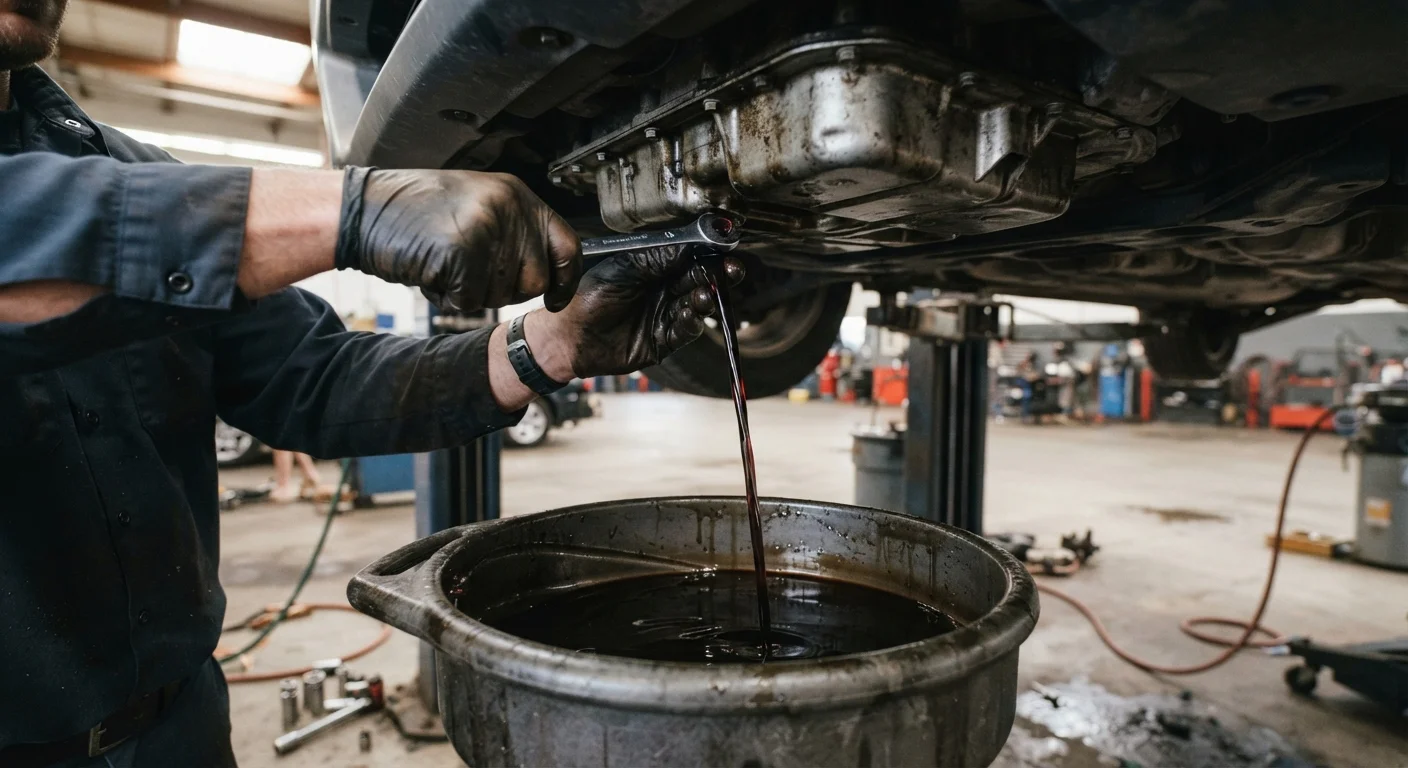
A standard transmission service typically includes draining the old fluid, removing and cleaning the transmission pan, replacing the filter, and refilling with fresh fluid to the correct specification. Some shops also perform a full flush using pressurized equipment to remove fluid from the torque converter and cooler lines, replacing a larger percentage of total volume.
Service intervals vary by vehicle. Many conventional automatic transmissions call for service every 30,000 to 60,000 miles under normal driving conditions. Manufacturers may extend this under ideal conditions, but towing, frequent city driving, or driving in extreme temperatures all accelerate fluid degradation and justify shorter intervals. Your owner's manual lists the manufacturer's recommended interval and the correct fluid specification; using the wrong fluid type can void transmission warranties and cause seal damage.
One caution worth noting: on very high-mileage transmissions that have never had a fluid change, a full flush can sometimes dislodge accumulated varnish deposits and briefly worsen shift quality. A qualified mechanic can assess whether a partial drain-and-fill is more appropriate given the vehicle's history. This is general guidance, not a recommendation for any specific service approach; a professional inspection of your vehicle is the right starting point.
This article is for informational purposes only. Always consult a qualified mechanic for diagnosis and service decisions specific to your vehicle.