

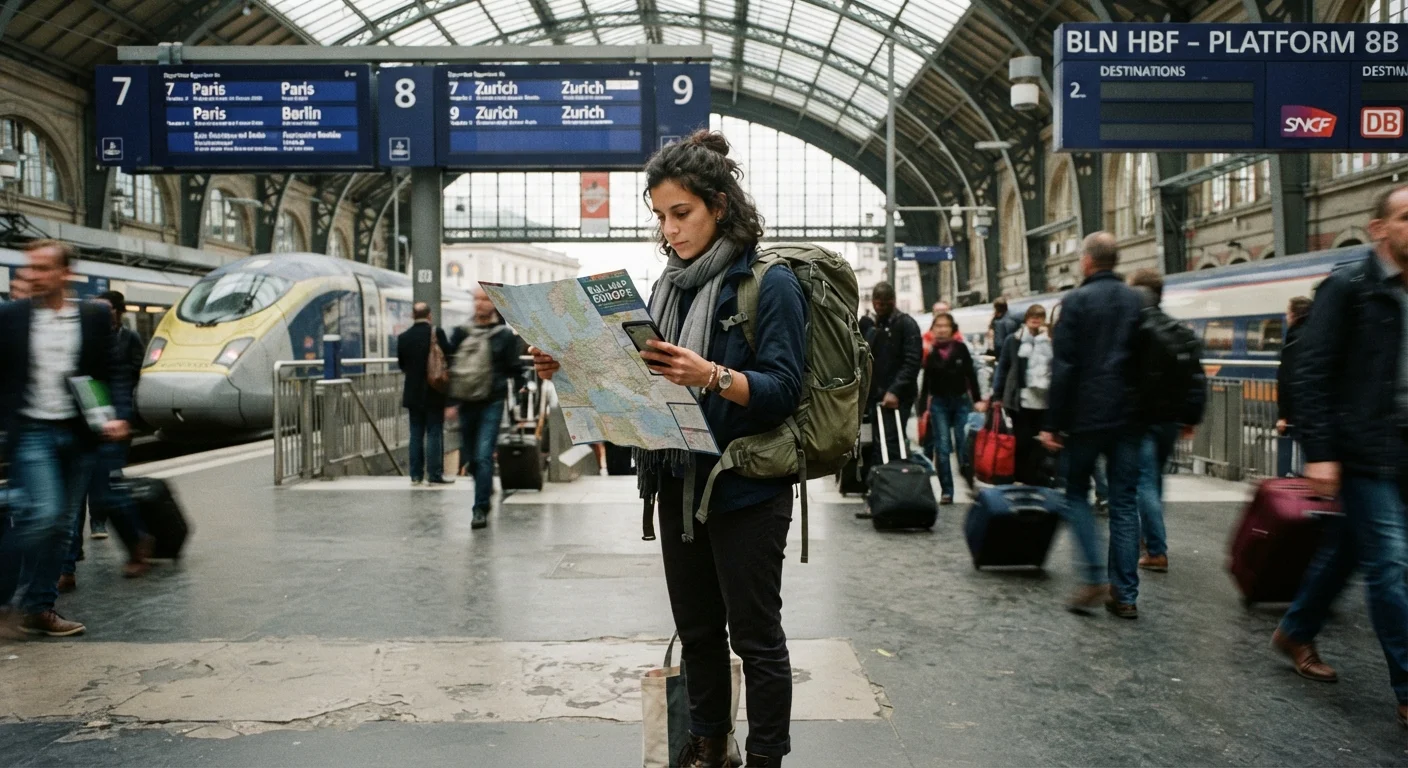
Key Takeaways
- Share your itinerary with at least one trusted contact before every trip.
- A dedicated check-in schedule keeps someone informed without constant communication.
- Accommodation choices, digital security, and cash handling all carry solo-specific risks worth planning for.
- Blending into the local environment reduces the chance of being identified as an easy target.
- Travel insurance with emergency assistance coverage is especially important when no companion is present.
Why solo travel requires a different safety mindset
When you travel with others, risk is distributed. Someone notices if you wander too far. Someone stays with the bags. Solo travel removes that redundancy, which means each safety decision falls entirely on you. That is not a reason to avoid solo trips; it is a reason to plan them more deliberately.
The strategies below are not about fear. They are about removing the gaps that could make an incident harder to recover from. Many solo travelers apply these practices without thinking twice after a few trips. For newer solo travelers, building these habits early saves real trouble later.
For a broader look at how solo planning differs logistically from group travel, see our guide to solo trip planning.
Before you leave: the groundwork that matters most
Most solo travel safety work happens before the trip begins. The following practices address the gaps that become hardest to fill once you are already abroad or far from home.
Share a full itinerary with a trusted contact before departure
If something goes wrong, the people trying to help you need to know where you planned to be and when. A vague "I'm going to Europe" gives emergency contacts almost nothing to work with.
Carry copies of critical documents separately from the originals
A lost or stolen passport is far more manageable when you have a photocopy and a digital scan stored in your email or cloud account. Replacement at a consulate moves faster with documentation in hand.
Purchase travel insurance that includes emergency medical and evacuation coverage
Medical evacuation from a remote location can cost tens of thousands of dollars out of pocket. Solo travelers have no travel companion to help manage a medical situation or navigate logistics while incapacitated.
Research destination-specific risks before arrival
Common risks vary considerably by location. What is a concern in one city may be irrelevant in another, and local scams or transport hazards are rarely covered in general packing guides.
Beyond your physical itinerary, think about your digital footprint. Use a travel-specific email address for bookings if you do not want your primary inbox exposed. Enable two-factor authentication on accounts you will access on the road. Our article on overlooked travel risks covers card skimming, unsafe public Wi-Fi, and other threats that receive less attention than pickpocketing but are equally worth preparing for.
In the field: day-to-day habits that lower your exposure
Good safety habits on the ground are mostly about consistency. A few behaviors, repeated automatically, do more than any single precaution.
Accommodation deserves specific attention for solo travelers. A ground-floor room is generally easier to access from outside. A room near the elevator means more foot traffic past your door late at night. Ask for a room on a mid-level floor away from stairwells when possible. Always test the door lock and confirm the safe works before unpacking.
Learning to read your surroundings is a skill that compounds with practice. Our guide to situational awareness in unfamiliar cities explains how to assess risk before a situation develops, which is far more useful than reacting to one already in motion.
Staying connected: check-in systems that work
A check-in system is the closest thing a solo traveler has to a travel companion watching out for them. The goal is simple: if something goes wrong, someone at home should be able to raise an alarm within a reasonable window.
Set a specific check-in time with one trusted contact, once a day or at major transit points. Agree in advance on what that contact should do if they do not hear from you by a set time. "Text me if you can" is not a system. "If I have not checked in by 9 PM local time, call the hotel directly" is.
Apps that share your real-time location with selected contacts are useful, but they require battery and a data signal. A low-tech backup, such as an emailed daily summary to a family member, covers gaps when your phone dies or connectivity drops. Also carry the contact information for the nearest U.S. embassy or consulate and your travel insurance emergency line in printed form, not only stored on your phone.
This article provides general travel safety information for educational purposes. Conditions vary by destination; always verify entry requirements, local laws, and safety advisories through official government sources before traveling.