

What a multi-point inspection actually is
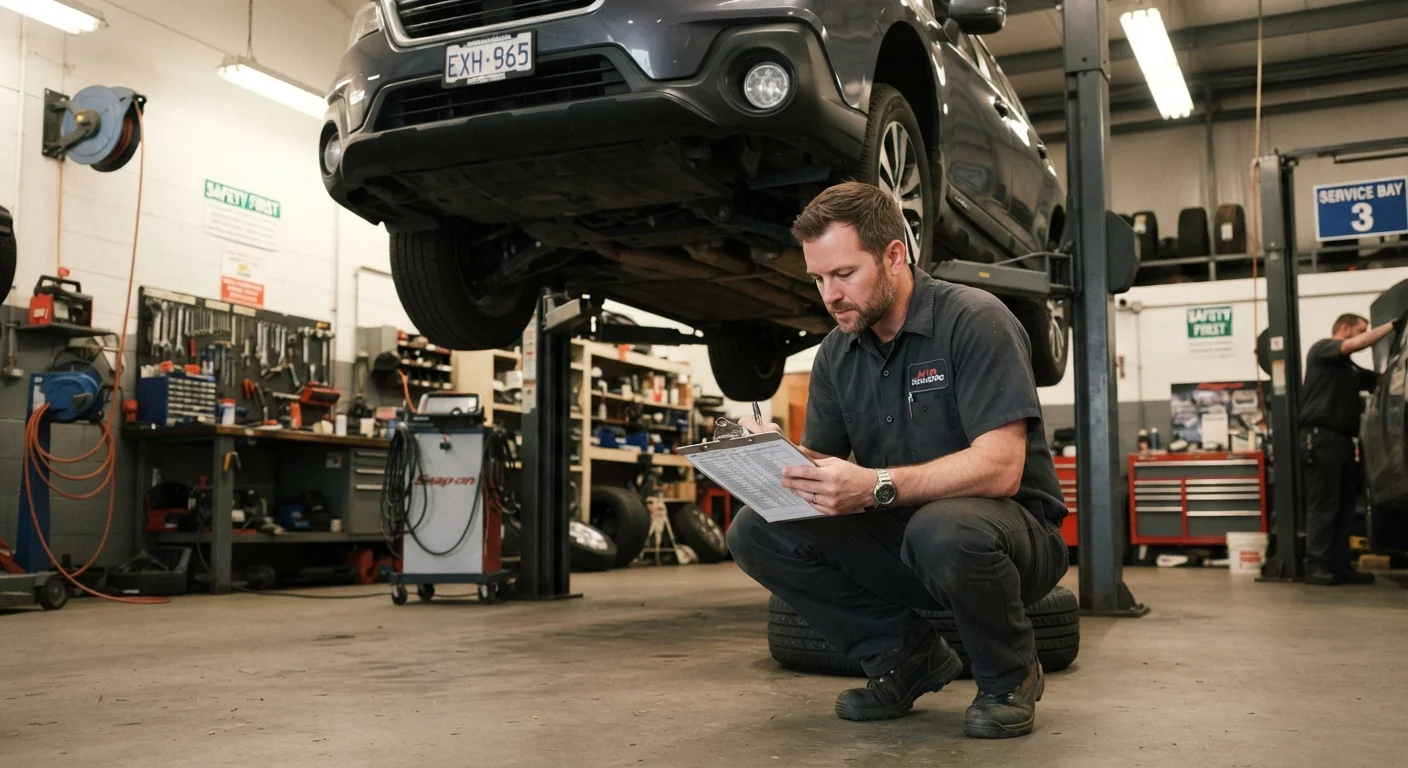
A multi-point inspection (MPI) is a structured review of a vehicle's major systems, typically performed by a technician during a service visit. The goal is to document the current condition of components across the car so the driver can make informed decisions about maintenance and repairs.
Most dealerships and independent shops use a standardized form divided into categories. Each item is marked green (acceptable), yellow (monitor or service soon), or red (immediate attention needed). The form is then shared with the vehicle owner, either on paper or digitally.
An MPI is not the same as a state inspection or emissions test, which are legally required in many states and follow a fixed government checklist. An MPI is a service tool, not a regulatory one. It also does not carry the weight of a diagnostic scan, which reads electronic fault codes from the vehicle's onboard computer.
The systems a technician reviews
Fluids: The technician checks engine oil, coolant, brake fluid, power steering fluid, and windshield washer fluid levels and condition. Fluid color and consistency can indicate contamination or degradation even when levels appear adequate.
Filters: The engine air filter and cabin air filter are inspected visually. A clogged engine air filter can affect fuel combustion; a blocked cabin filter reduces airflow through the HVAC system.
Battery and charging system: Battery terminals are checked for corrosion, and voltage output is tested. A battery showing low cold cranking amps may not cause immediate problems but can fail in cold weather.
Brakes: Brake pad thickness is measured, rotors are inspected for scoring or warping, and brake lines are examined for leaks or damage. See safe driving practices for why maintaining full braking capability matters beyond the inspection sheet.
Tires: Tread depth is measured with a gauge at multiple points across each tire. Technicians also check inflation pressure, look for uneven wear patterns (which can indicate alignment or suspension issues), and examine sidewalls for cracks or bulges.
Lights: All exterior lights are tested, including headlights, taillights, brake lights, turn signals, and reverse lights. Interior warning lights on the dashboard are noted as well.
Belts and hoses: Serpentine belts are checked for cracking, fraying, or glazing. Coolant hoses are squeezed and inspected for softness, hardness, or visible damage. A failed belt can leave a vehicle undriveable; a burst hose can cause rapid overheating.
Suspension and steering: Technicians look for worn ball joints, tie rod ends, and struts or shocks. Excessive play or unusual noise in these components affects both handling and tire wear.
Exhaust: The exhaust system is inspected for leaks, damage, or unusual corrosion. Exhaust leaks upstream of the passenger cabin can pose a carbon monoxide hazard.
For a broader picture of what service tasks tend to be missed between oil changes, see annual vehicle maintenance tasks most owners overlook.
How to use the results
When a technician hands over an MPI report, read through each flagged item before agreeing to any additional work. Red-flagged items typically involve safety systems and warrant prompt attention. Yellow items are generally wear-related and can often be planned for a future visit, though it helps to ask the technician for a timeline estimate based on current condition.
Not every item on a red list requires same-day repair. Ask what the actual risk is if a given item is deferred, and get a written estimate before authorizing work. A written record also makes it easier to track what was checked and when, which matters both for budgeting and for resale documentation.
If anything on the report is unclear, ask the technician to show you the component in question. Most shops will walk you through what they found while the vehicle is still on the lift. Understanding what you are looking at removes the guesswork from the conversation.