

| Brake pads (front) | 25,000 to 65,000 miles (Varies by pad material and driving habits) |
| Brake rotors | 50,000 to 70,000 miles (Inspect at each pad change) |
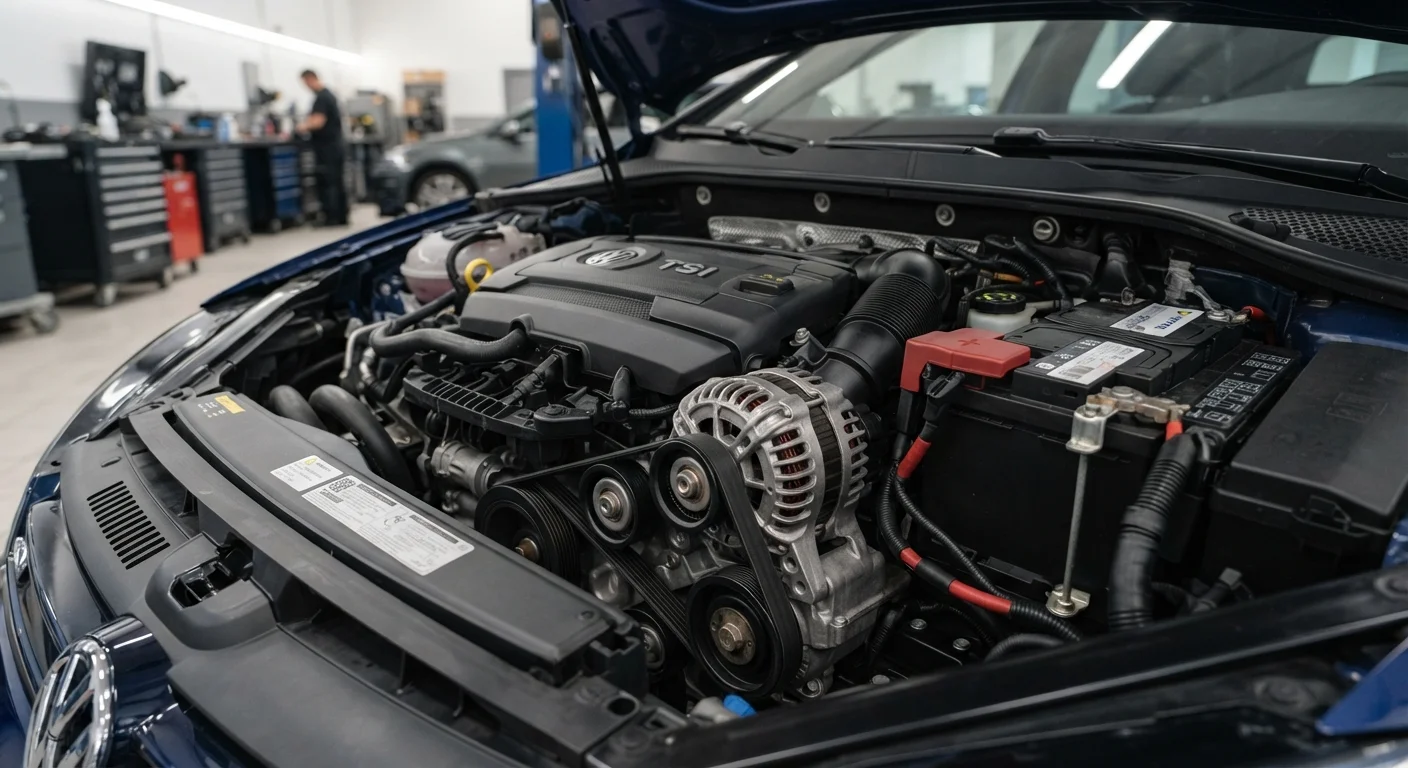
| Car battery | 3 to 5 years (Shorter in extreme climates) |
| Serpentine belt | 60,000 to 80,000 miles (Inspect for cracks and fraying) |
| Timing belt | 60,000 to 100,000 miles (Check owner's manual; some vehicles have a chain) |
| Engine air filter | 15,000 to 30,000 miles (More frequent in dusty conditions) |
| Cabin air filter | 15,000 to 25,000 miles (Affects interior air quality) |
| Spark plugs (copper) | Around 30,000 miles |
| Spark plugs (iridium/platinum) | 60,000 to 100,000 miles |
| Tires | 6 years or 50,000 miles (Retire by 10 years regardless of tread) |
| Engine coolant | 30,000 to 50,000 miles or 5 years (Check owner's manual for exact interval) |
| Transmission fluid | 30,000 to 60,000 miles (Automatic and manual transmissions differ) |
How parts age and why it matters
Most car parts don't announce when they're failing. They degrade gradually, and the first obvious symptom is often an expensive one. Knowing the typical service life of each major component lets you schedule replacements before a breakdown rather than after.
Two factors drive wear: miles driven and time elapsed. Some parts wear faster with use; others deteriorate even when a car sits unused for extended periods. Your owner's manual lists the manufacturer's recommended intervals, which are the most reliable starting point. The ranges below reflect general industry practice and can vary based on driving conditions, climate, and vehicle design.
| Brake pads (front) | 25,000 to 65,000 miles (Varies by pad material and driving habits) |
| Brake rotors | 50,000 to 70,000 miles (Inspect at each pad change) |
| Car battery | 3 to 5 years (Shorter in extreme climates) |
| Serpentine belt | 60,000 to 80,000 miles (Inspect for cracks and fraying) |
| Timing belt | 60,000 to 100,000 miles (Check owner's manual; some vehicles have a chain) |
| Engine air filter | 15,000 to 30,000 miles (More frequent in dusty conditions) |
| Cabin air filter | 15,000 to 25,000 miles (Affects interior air quality) |
| Spark plugs (copper) | Around 30,000 miles |
| Spark plugs (iridium/platinum) | 60,000 to 100,000 miles |
| Tires | 6 years or 50,000 miles (Retire by 10 years regardless of tread) |
| Engine coolant | 30,000 to 50,000 miles or 5 years (Check owner's manual for exact interval) |
| Transmission fluid | 30,000 to 60,000 miles (Automatic and manual transmissions differ) |
Components that follow a mileage clock
Brake pads wear in proportion to how often and how hard you brake. Front pads typically last 25,000 to 65,000 miles; rear pads often last longer because the front axle handles more braking force. When pads wear thin, rotors can follow. Rotors generally need replacement every 50,000 to 70,000 miles depending on material and driving style. Inspecting brakes annually or at each tire rotation helps catch wear before it spreads.
Spark plugs depend heavily on type. Copper plugs may need replacement every 30,000 miles; iridium and platinum versions can last 60,000 to 100,000 miles or more. Engine air filters typically need attention every 15,000 to 30,000 miles, though dusty driving conditions shorten that window. Cabin air filters follow a similar schedule and affect air quality inside the vehicle.
For high-mileage vehicles, some of these intervals compress. The high-mileage vehicle care guide covers which systems deserve closer attention as odometer readings climb.
Time-based wear you can't always see
The battery is the most common time-sensitive failure point. Most lead-acid batteries last three to five years; in extreme climates, that window shortens. Batteries don't always show obvious symptoms before they fail, so age alone is reason enough to have one tested once it passes the three-year mark.
Serpentine belts and timing belts age through heat cycles as well as miles. Serpentine belts generally need inspection around 60,000 to 80,000 miles. Timing belts are often specified for replacement at 60,000 to 100,000 miles, though some vehicles use a timing chain instead. A failed timing belt can cause significant engine damage, so following the manufacturer's schedule on this one is worth treating as non-negotiable.
Tires degrade from UV exposure and ozone even when tread depth looks adequate. Most tire manufacturers and safety organizations recommend retiring tires at six years regardless of tread condition, and no later than ten years from the date of manufacture, which is printed on the sidewall. If you're unsure how to read that date code, your tire shop can identify it quickly.
Building a watch schedule
A practical approach is to track two numbers for each major component: the mileage threshold and the age threshold. Whichever arrives first is the one to act on.
Your owner's manual is the primary reference. If you're buying a used vehicle or are unsure of the service history, a pre-purchase inspection by a qualified mechanic can identify components that are overdue. Managing car ownership costs is far easier when repairs are planned rather than emergency responses to sudden failures.
For a broader look at routine upkeep items that often go unnoticed, annual vehicle maintenance tasks covers additional components worth scheduling. Drivers who are new to ownership and building these habits early will find car care basics for new drivers a useful companion resource.