

Key Takeaways
- Monitor official government travel advisories and weather service alerts before and during any trip.
- Travel insurance with trip interruption and cancellation coverage can offset costs when weather forces a change of plans.
- Build buffer days and flexible booking terms into itineraries whenever traveling during a region's active weather season.
- Hurricanes, wildfires, earthquakes, and extreme heat each require different preparation and response strategies.
- Registering with the Smart Traveler Enrollment Program (STEP) helps the U.S. Embassy reach you in an emergency abroad.
Weather-related travel disruption
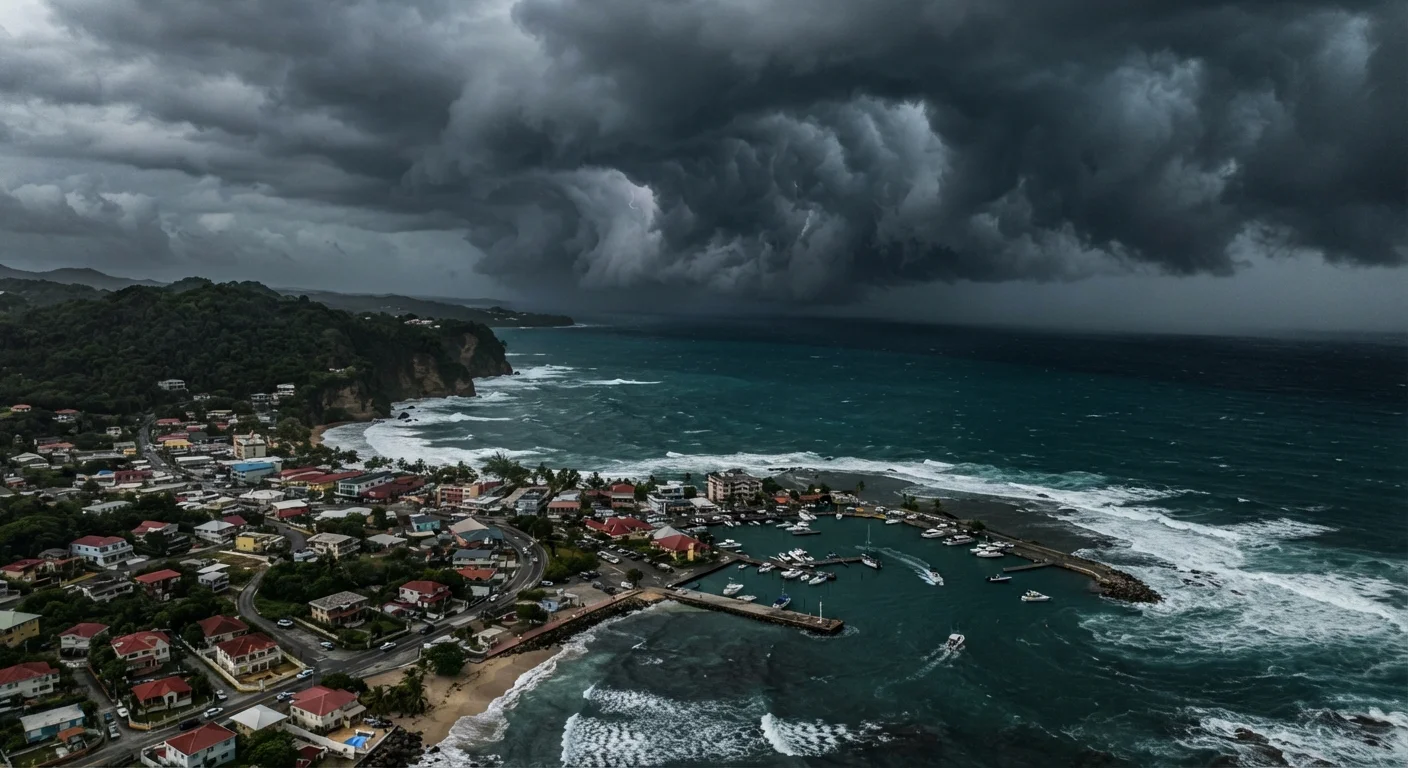
Weather-related travel disruption occurs when a natural event, such as a hurricane, wildfire, earthquake, or extreme heat, forces travelers to cancel, reroute, or cut short a trip. These events can affect transportation networks, close destinations, damage infrastructure, or create direct safety threats. Understanding this risk helps travelers plan more flexibly and respond effectively when conditions change.
Meteorologists classify storms, heat events, and other hazards using severity scales that affect official advisories and carrier cancellation policies. Knowing which scale applies to your destination helps you interpret government and airline alerts accurately.
Why natural disasters are a real trip-planning factor
Most travelers think about weather in terms of comfort: will it rain on the beach, will it be cold enough for a coat. But weather and geological events can go well beyond inconvenience. Hurricanes, tornadoes, earthquakes, tsunamis, wildfires, extreme heat, and severe winter storms can ground flights, close roads, destroy accommodations, and put travelers in direct physical danger.
The consequences are practical. A hurricane making landfall the week of your Caribbean cruise affects airport operations, port access, and road safety simultaneously. A wildfire can blanket a national park in smoke that poses respiratory risks days before any evacuation order arrives. An earthquake can damage the infrastructure you depend on for transportation, water, and shelter.
Building weather awareness into trip planning is not pessimism. It is how experienced travelers avoid being stranded, underinsured, or unprepared when conditions change.
Save emergency contacts before you leave home
Store the local emergency number, your accommodation's address, and the nearest U.S. Embassy or Consulate contact offline on your phone before departure. Cell networks often become overloaded or unavailable during natural disasters, so having this information saved locally rather than relying on internet access can be critical.
The main hazard types and what they mean for travelers
Different natural events carry different lead times, geographic footprints, and response options. Understanding each one helps you decide how to monitor and prepare.
Hurricanes and tropical storms
The Atlantic hurricane season runs June through November, with peak activity in August and September. The Eastern Pacific season follows a similar pattern. If your destination falls within a typical hurricane track, check the National Hurricane Center at nhc.noaa.gov starting about two weeks before departure, since forecasting accuracy improves significantly within a five-day window. Many airlines and hotels issue fee waivers once a storm is named and forecast to affect a destination.
Earthquakes and tsunamis
Earthquakes offer no advance warning. For seismically active regions, such as the Pacific Coast of the Americas, Japan, Southeast Asia, and parts of the Mediterranean, preparation means knowing your hotel's evacuation plan, identifying high ground near coastal areas, and having offline maps and emergency contacts saved. The U.S. Geological Survey (USGS) publishes real-time seismic data at earthquake.usgs.gov.
Wildfires
Wildfire risk has grown in the American West, southern Europe, Australia, and parts of South America. Even fires far from your itinerary can degrade air quality across a wide area. The AirNow.gov AQI map covers U.S. destinations; international equivalents are available through the World Air Quality Index project. Smoke-related health risks affect everyone, but travelers with asthma, heart disease, or other conditions should consult a qualified healthcare professional before visiting fire-prone regions during active seasons.
Extreme heat
Heat advisories and heat emergencies are increasingly common across southern Europe, the Middle East, South Asia, and parts of the American Southwest. Heat illness can develop quickly in travelers who are unacclimatized, particularly on physically active itineraries. Local heat emergency declarations sometimes close tourist sites or restrict outdoor activity hours, which can reshape an entire travel day. See how over-scheduling interacts with these limits in this guide on over-stuffed travel itineraries.
Severe winter weather
Blizzards, ice storms, and polar vortex events affect airports, highways, and rail networks primarily in the northern U.S., Canada, and northern Europe. Winter travelers should build buffer days into arrival and departure plans, which is a practice covered in more detail in this realistic travel day planning guide.
How to monitor conditions before and during a trip
Reliable information sources matter. Several free, authoritative tools are available specifically for travelers.
- The U.S. State Department's travel advisory system at travel.state.gov covers safety conditions, including natural disasters, for every country. Advisories are updated when conditions change.
- The National Weather Service (weather.gov) and the National Hurricane Center cover U.S. territories and issue official watches and warnings.
- FEMA's mobile app provides real-time weather alerts for U.S. travelers and allows users to set alerts for multiple locations simultaneously.
- The Smart Traveler Enrollment Program at step.state.gov lets the nearest U.S. Embassy alert you to local emergencies, including natural disasters, when traveling abroad.
Monitoring these sources does not require constant vigilance. Setting push alerts for the specific region of your destination is enough to catch developing situations without checking manually throughout the day.
For a fuller picture of what travelers often miss when researching a destination, see overlooked travel risks and how to address them.
Building flexibility into your plans
Flexibility is the most practical defense against weather disruption. Three areas where flexibility matters most:
Booking terms
When traveling during a region's active weather season, prioritize accommodations and transportation with free cancellation or low-fee change policies. The price difference between a refundable and non-refundable booking is often small relative to the cost of losing that booking entirely.
Travel insurance
Policies that include trip cancellation, trip interruption, and travel delay coverage can cover non-refundable costs if a covered weather event forces a change. Review policy language carefully before purchasing, since coverage for weather events depends on specific triggering conditions. For a fuller overview of how insurance fits into trip planning, see how travel insurance fits into your trip planning. This article is for informational purposes only and is not a substitute for personalized insurance advice; consult a licensed insurance professional for guidance on your specific situation.
Itinerary buffers
Traveling with children adds urgency to flexibility planning, since disrupted logistics affect families disproportionately. The family travel safety planning guide addresses how to build contingency into multi-generational trips. For any traveler, an itinerary with no slack days offers no margin if an event forces a detour or delay.
This article is for general informational purposes only. Conditions at any destination can change rapidly; verify current advisories with official government and provider sources before traveling. Health-related content is not medical advice; consult a qualified healthcare professional for guidance specific to your situation.