

Key Takeaways
- Blood sugar rises after every meal containing carbohydrates; the speed and height of that rise depends largely on the type of carb eaten.
- Insulin is the hormone that moves glucose from the bloodstream into cells; it is a normal, necessary part of metabolism.
- The glycemic index ranks foods by how fast they raise blood glucose, but it does not account for portion size or food combinations.
- Glycemic load adjusts for portion size and gives a more practical picture of a food's blood sugar impact.
- Pairing higher-GI foods with protein, fat, or fiber consistently lowers the overall glycemic response of a meal.
- GI is one useful lens, not a complete dietary rulebook. Consulting a registered dietitian can help you apply it to your specific needs.
Glycemic index (GI)
The glycemic index is a scale from 0 to 100 that ranks carbohydrate-containing foods by how quickly they raise blood glucose after eating. Foods with a high GI digest fast and cause a rapid blood sugar rise. Foods with a low GI digest more slowly, producing a steadier, more gradual rise.
GI values are measured against a reference food (usually pure glucose or white bread set at 100) using standardized testing in human subjects, so values represent averages across a group rather than a precise personal prediction.
How blood sugar works
Every time you eat carbohydrates, your digestive system breaks them down into glucose, a simple sugar that enters the bloodstream. Blood glucose concentration rises, and the pancreas responds by releasing insulin. Insulin acts like a key, unlocking cells in the liver, muscle, and fat tissue so glucose can move out of the blood and be used for energy or stored for later. Once glucose clears the bloodstream, blood sugar falls back toward its baseline range.
This cycle happens after every meal that contains carbohydrates. The rise and fall are normal. Problems arise when blood sugar climbs very high very fast, stays elevated for long periods, or when cells stop responding well to insulin, a condition called insulin resistance. For a deeper look at how different types of carbohydrates behave in this process, see our guide to dietary carbohydrates.
What the glycemic index actually measures
Researchers developed the glycemic index in the early 1980s to give a standardized way to compare how different foods affect blood glucose. A food is tested by having a group of people eat a portion containing 50 grams of available carbohydrate, then measuring their blood glucose over two hours. That response is compared to the same person's response to eating 50 grams of glucose (or white bread), which is set at 100.
The resulting number places a food in one of three ranges: low GI (55 or below), medium GI (56 to 69), or high GI (70 and above). Lentils score around 30. White rice scores around 70 to 80, depending on variety and cooking time. Carrots often score in the low-to-medium range despite tasting sweet, because their carbohydrate content per serving is relatively modest.
0 to 55
Low glycemic index range
Foods in this range digest more slowly and produce a more gradual rise in blood glucose, according to standard GI classification criteria.
70+
High glycemic index threshold
Foods scoring 70 or above on the GI scale are associated with faster blood glucose rises; common examples include white bread and many processed cereals.
~30%
GI reduction from food pairing
Research published in nutrition journals has found that adding fat, protein, or fiber to a high-GI food can meaningfully reduce the meal's overall glycemic response.
One real limitation of GI testing: it measures a single food eaten alone in a controlled setting, which rarely matches how people actually eat. A high-GI food consumed alongside protein, fat, or fiber will produce a lower blood sugar response than GI tables suggest.
Glycemic load: the more practical number
Glycemic load (GL) takes GI one step further by accounting for how much carbohydrate a typical serving of a food actually contains. The formula is simple: multiply a food's GI by the grams of carbohydrate in one serving, then divide by 100.
Watermelon illustrates why this matters. Its GI is relatively high (around 72), which might suggest it causes a large blood sugar spike. But a standard slice contains only about 11 grams of carbohydrate, so its glycemic load is approximately 8, which is considered low. Eating a single slice of watermelon raises blood glucose far less than eating a comparable portion of white rice, even though both have a high GI.
Practical ways to lower a meal's glycemic load
Cook pasta and grains to al dente rather than fully soft. Include a source of protein or healthy fat at each meal. Add a small amount of acid (such as lemon juice or vinegar-based dressing) to meals. Choose less processed grain forms: rolled oats over instant, intact grain bread over soft white.
A GL of 10 or below is generally considered low; 20 or above is considered high. Most nutrition researchers consider GL a more useful everyday guide than GI alone.
Putting it to practical use
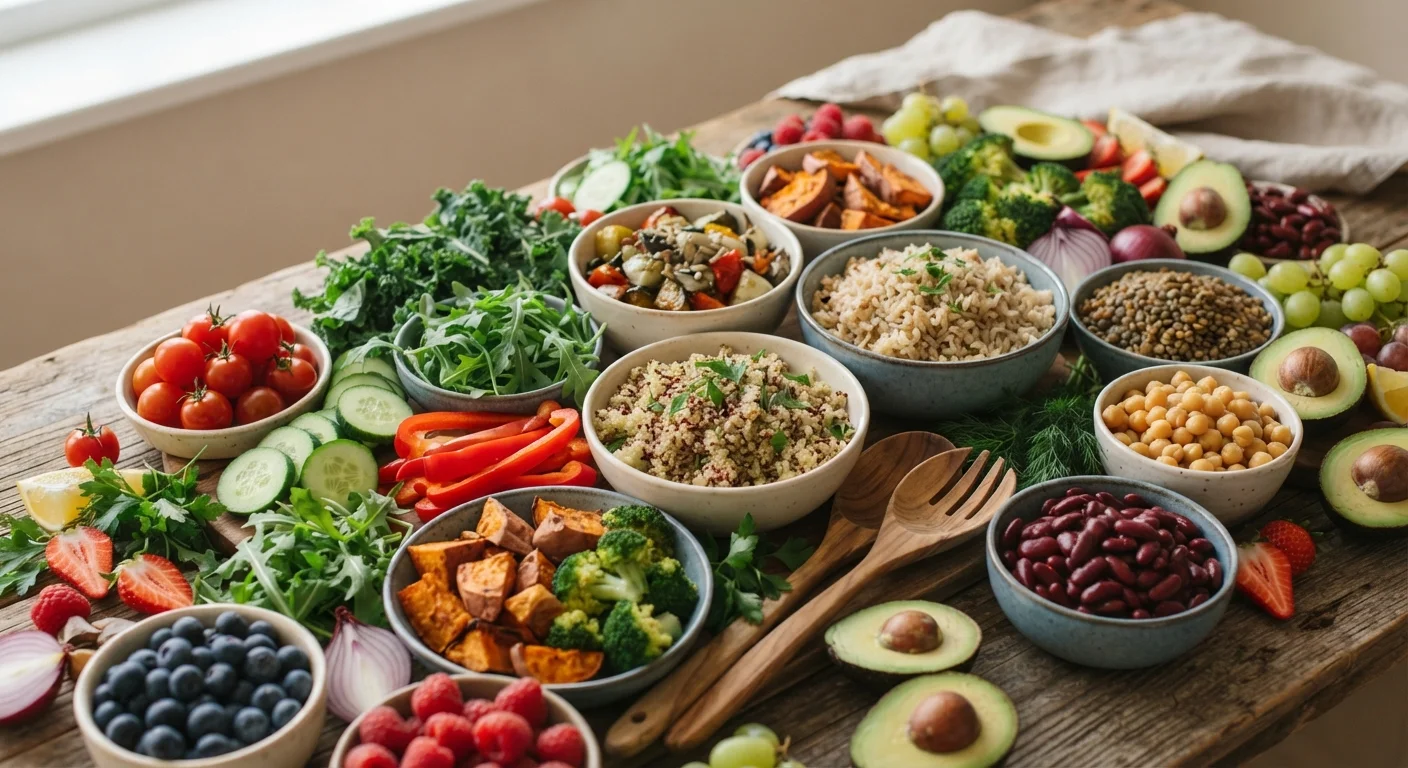
No food is off-limits based on GI alone, and the index is not a prescription. What the research does support is that overall dietary patterns matter more than any single food's GI score. Diets built around vegetables, legumes, intact whole grains, and lean proteins tend to produce steadier blood glucose patterns than diets heavy in refined starches and added sugars.
A few consistent findings from nutrition research are worth knowing. Cooking and processing raise a food's GI: al dente pasta has a lower GI than well-cooked pasta. Cooling cooked starchy foods (like potatoes or rice) before eating increases resistant starch content, which lowers the glycemic response. Vinegar and acids consumed with a meal slow gastric emptying and reduce the GI effect of the meal overall.
People managing type 2 diabetes, prediabetes, or insulin resistance may find GI and GL particularly useful tools, but applying them well to an individual eating pattern is something a registered dietitian or physician can help with. This article is general nutrition education, not personal medical advice.
This article is for informational purposes only and is not a substitute for professional medical or nutritional advice. If you have concerns about blood sugar, insulin resistance, or diabetes, consult a qualified healthcare provider.