

Key Takeaways
- Most gyms offer a free orientation or tour for new members; always ask before your first session.
- Comfortable, breathable clothing and a water bottle are the only true essentials for day one.
- Learning two or three basic exercises correctly matters more than attempting a full program immediately.
- Gym etiquette is simple and unwritten; understanding it reduces anxiety and makes the space work for everyone.
- A brief warm-up before any workout reduces injury risk and improves performance.
Summary
18 items · 20 to 40 minutes
Why preparation matters before day one
Walking into a gym without any context is like arriving at an airport with no idea where your gate is. The space, the sounds, the equipment, the unspoken social norms: it is a lot to process at once. A small amount of preparation removes most of that friction so you can spend your first visit actually moving rather than standing near the entrance trying to look like you belong.
This checklist covers three categories: what to bring, what to learn before you go, and how to behave once you are there. None of it requires fitness experience. The goal is to make the first visit low-stress enough that a second visit follows naturally.
Before any session, a proper warm-up is one of the most effective things you can do. See the guide to warming up before any workout for a practical, adaptable approach.
What to bring
What to learn before you go
Gym floor etiquette
What to expect when you arrive
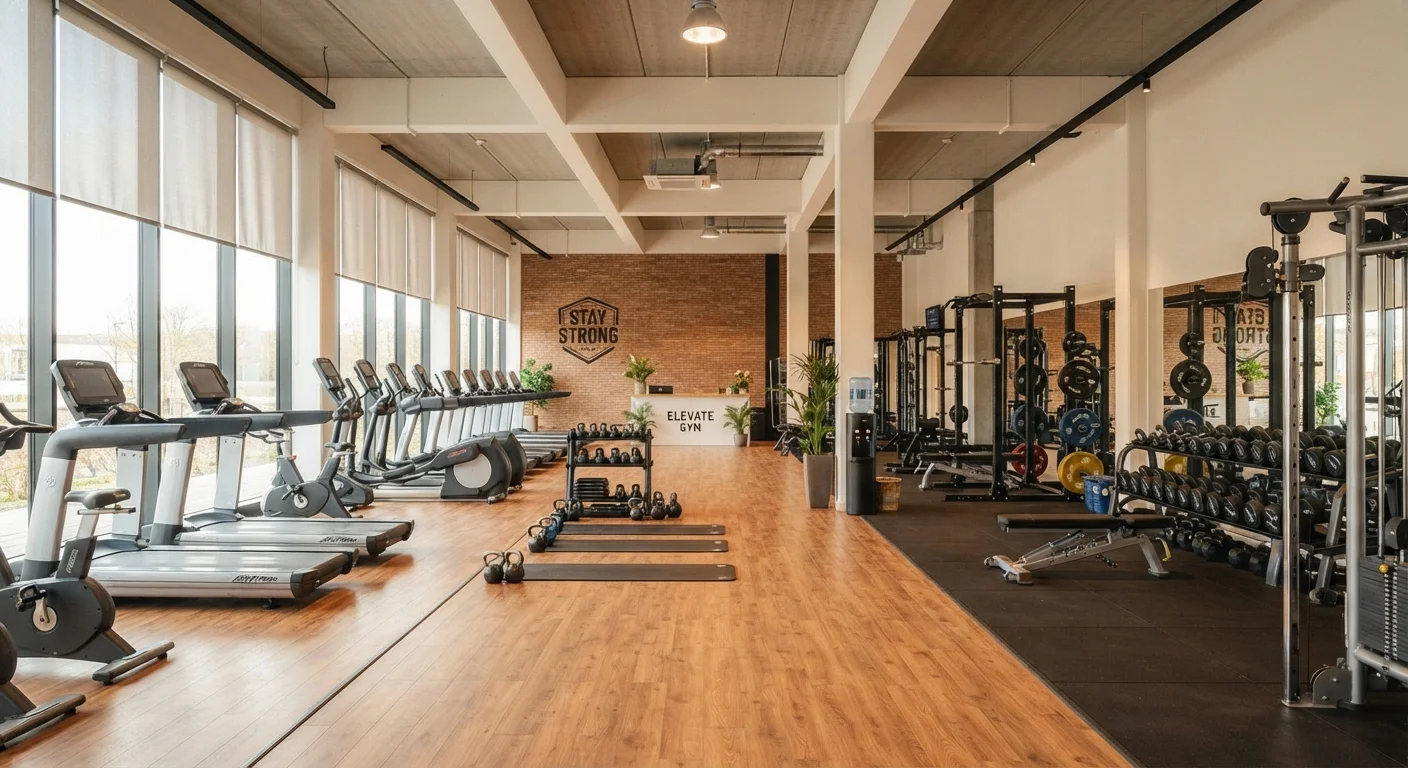
Most commercial gyms follow a predictable layout: cardio machines near the entrance, resistance machines in the middle, and free weights toward the back. The front desk staff can point you toward the locker rooms, show you how equipment works, and confirm any rules specific to that facility.
New members are often entitled to a free orientation session with a staff member or trainer. This is worth taking even if you feel you do not need it. A 20-minute walkthrough will tell you which machines are off-limits to beginners without supervision, where cleaning supplies are kept (you will need them to wipe down equipment after use), and how to adjust seats and handles to fit your body.
Do not skip the equipment orientation
Using resistance machines or free weights with incorrect form is one of the most common causes of beginner injuries. Even a brief walkthrough with a staff member or certified trainer can show you how to set up equipment safely for your height and fitness level. If a free orientation is not offered, ask a staff member to demonstrate the correct setup for any machine you plan to use.
Noise, mirrors, and other people lifting heavy weights can feel overwhelming at first. That feeling passes quickly once you have a task to focus on. Starting with a short, specific goal for each visit, such as spending 15 minutes on a single cardio machine, keeps attention on what you are doing rather than on the surroundings.
This article provides general information about gym preparation and is not a substitute for guidance from a qualified fitness professional or healthcare provider. If you have any health conditions or concerns, consult your doctor before starting a new exercise program.